LEARNING DIFFICULTIES
Dyslexia, literacy and learning difficulties: understanding the pattern, not just the label
When reading, spelling, written work or maths are persistently difficult, assessment should clarify both the skill difficulty and the wider learning profile.
What assessment is trying to clarify
The purpose is not to attach a label from one score. It is to understand the pattern of strengths, relative difficulties, school demands and observed functioning.
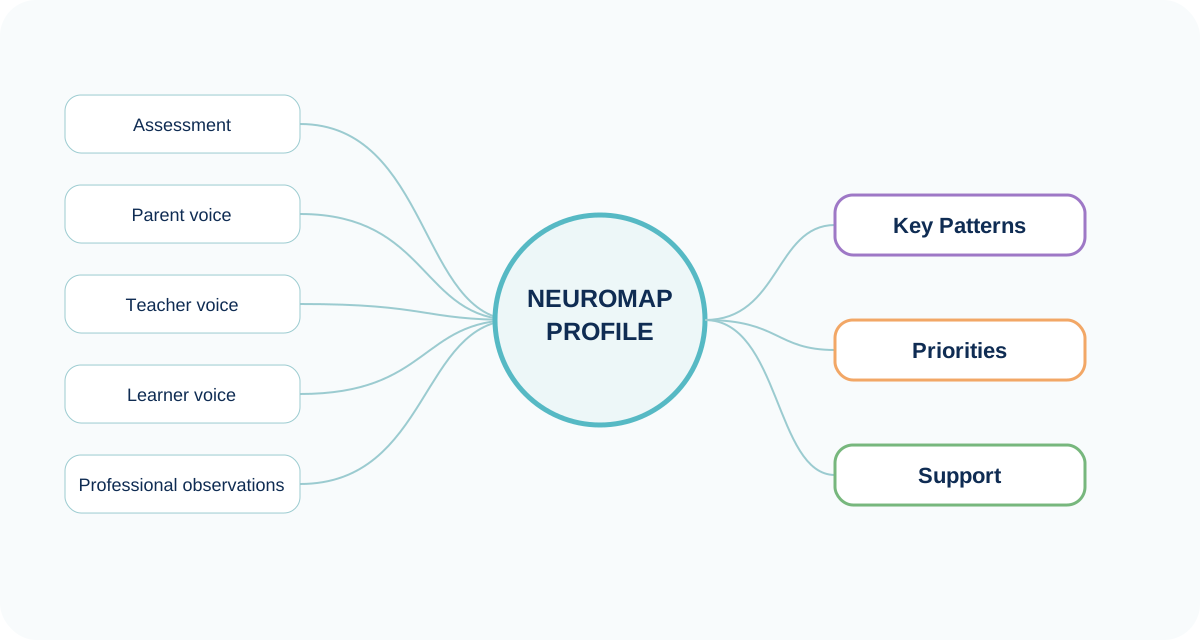
What you may receive
Useful evidence needs a practical outcome
Evidence summary
A structured view of the assessment and contextual evidence considered.
Interconnected patterns
How strengths and areas of difficulty may interact rather than being treated separately.
Educational implications
What the profile may mean for curriculum access, independence and everyday schoolwork.
Priorities & support
Clear next-step priorities and role-specific guidance, subject to the agreed service.
NeuroMap methodology
From finding to functioning
The same score can have different educational implications depending on the learner’s other strengths, difficulties and school context.
Not sure whether this is the right starting point?
You can begin with the school concern rather than a diagnosis or test name.